Animation was widely utilized as a means of propaganda during the time of World War II, with several American studios such as Warner Bros. taking advantage of its capabilities. Disney and other animation studios lent their skills and iconic animated characters to effectively communicate specific war-related ideals to the public. Several nations, such as China, Japan, and the United Kingdom, even created their inaugural full-length animated films to support their wartime endeavors.

A cartoon refers to a form of animated movie, typically of brief duration, characterized by an exaggerated visual presentation. Drawing influence from comic strips, cartoons often showcase anthropomorphic creatures, superheroes, or the thrilling escapades of human main characters. Particularly in cases involving animals that have a natural predator/prey dynamic (such as cats and mice, coyotes and birds), the focus of their actions frequently revolves around exaggerated comedic mishaps, including falls, collisions, and explosions that would be fatal in actuality.

Aside from short films, feature films, TV series, animated GIFs, and similar mediums focused on showcasing moving visuals, animation is also widely integrated into video games, motion graphics, user interfaces, and visual effects.

The progress of computer animation has been a gradual process that began in the 1940s. The emergence of 3D wireframe animation gained popularity in the mainstream during the 1970s, making an early and brief appearance in the science fiction film Futureworld (1976).

After the triumph of Pixar's Toy Story (1995), which marked the debut of computer animation in this style, the widely known 3D technique, frequently linked to computer animation, emerged as the prevailing method.

Animation refers to a technique wherein a series of drawings, models, or puppets are captured in succession through photography, resulting in the perception of motion when viewed in sequential order. Due to the limitation of our eyes retaining an image for around 1/10 of a second, the rapid display of multiple images causes our brain to amalgamate them into a unified and moving image.

oil & gas animation

The emergence of substantial animated works (i.e., those exceeding a few seconds in length) has evolved into a distinct form of filmmaking, characterized by its own set of distinctive features. Both live-action and animated feature-length films share the traits of being labor-intensive endeavors and entailing significant production expenses.

Animation has provided storytellers with the opportunity to narrate tales in novel manners. The vivid and imaginative realms depicted in animated movies have the power to rekindle inspiration and the enchantment of storytelling, irrespective of one's age. For individuals who consider themselves storytellers, or aspire to be, animation serves as an excellent starting point. But what exactly does the term "animation" encompass? Now, let's delve into the various forms of animation that cartoonists and artists employ.

Animation has gained significant popularity in television advertisements, primarily attributed to its visual allure and ability to inject humor. Certain animated characters, like Snap, Crackle, and Pop from Kellogg's cereal commercials, have managed to sustain their presence for several decades. Tex Avery, the individual responsible for producing the inaugural Raid Kills Bugs Dead advertisements in 1966, played a pivotal role in the company's remarkable success.
oil & gas animation

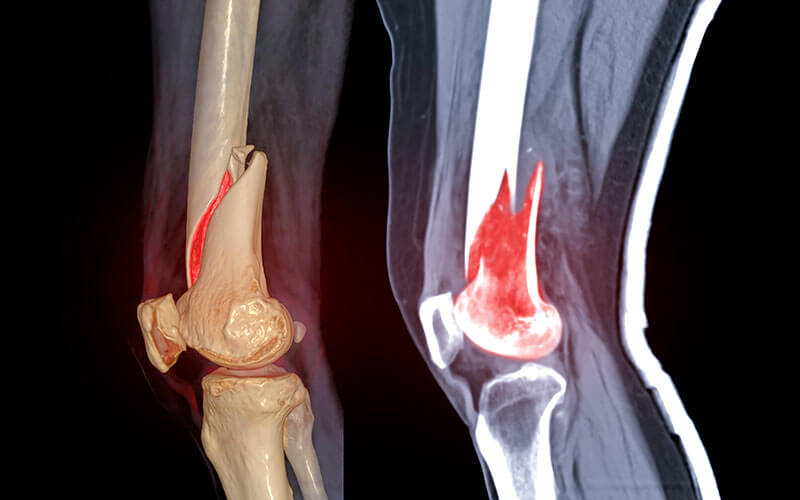
Medical Malpractise

During the 1990s, the majority of cel animation studios made a transition towards predominantly creating computer-animated films due to its cost-effectiveness and higher profitability. This shift not only led to the emergence of the widely popular 3D animation style generated through computers, but also facilitated the production of films and series with a traditional hand-crafted aesthetic. By utilizing software, these productions could replicate the appealing qualities of cel animation, while simultaneously incorporating new digital tools to explore innovative styles and visual effects.

In 1926, Lotte Reiniger unveiled the German silhouette animation titled "Die Abenteuer des Prinzen Achmed," which holds the distinction of being the earliest surviving full-length animated feature after three years of dedicated work.

By the onset of the 21st century, the conventional cel animation procedure had become outdated. Presently, animators either scan their drawings and backgrounds into a computer system or create them directly within it. Different software applications are employed to add color to the illustrations and replicate camera motion and visual enhancements. The ultimate animated creation is then exported onto numerous delivery platforms, ranging from conventional 35 mm film to contemporary mediums utilizing digital video. The original appearance of traditional cel animation has been maintained, and the core tasks of character animators have stayed consistent for almost a century. Certain animation creators have coined the term "tradigital" (a fusion of traditional and digital) to depict cel animation that incorporates substantial computer technology.

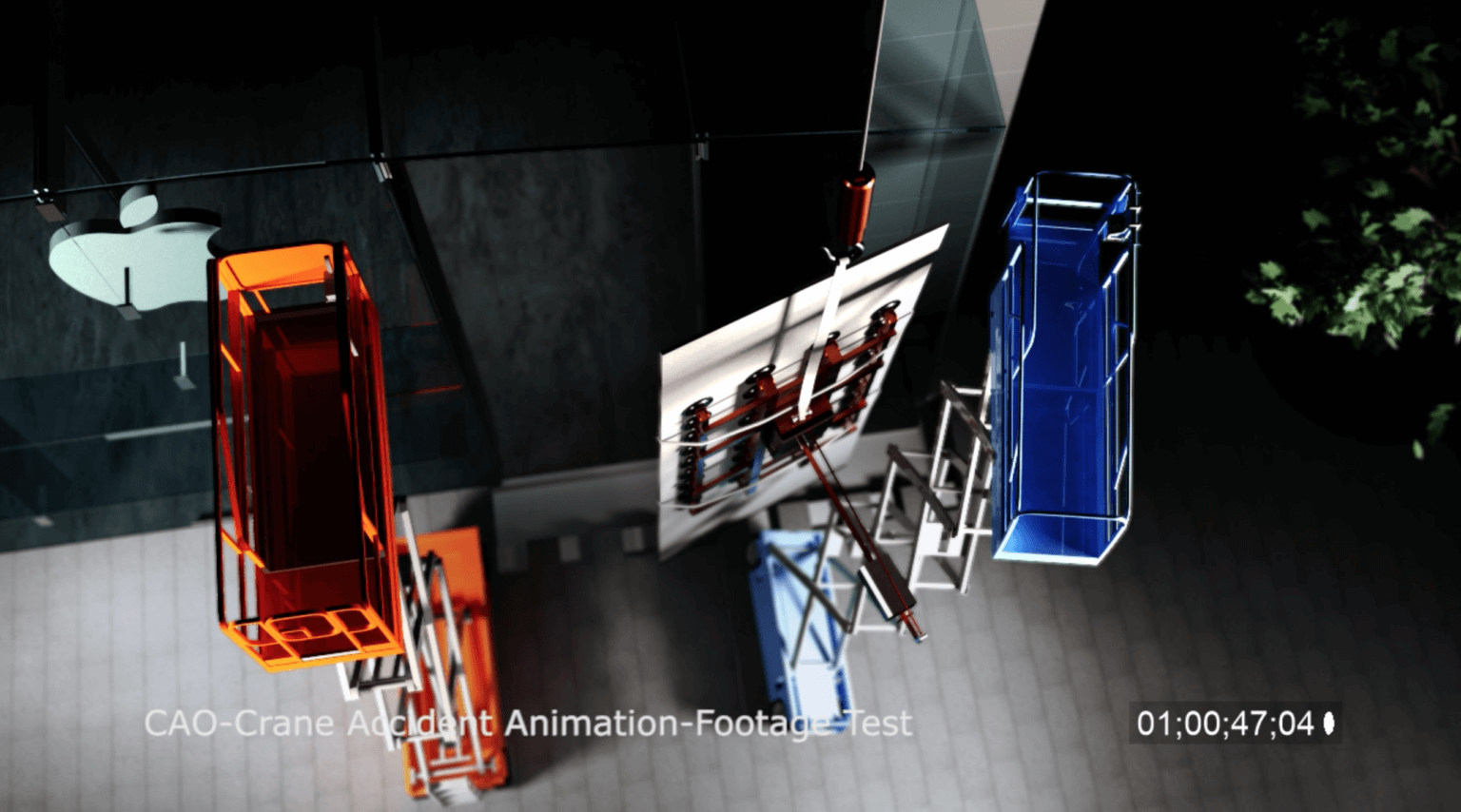
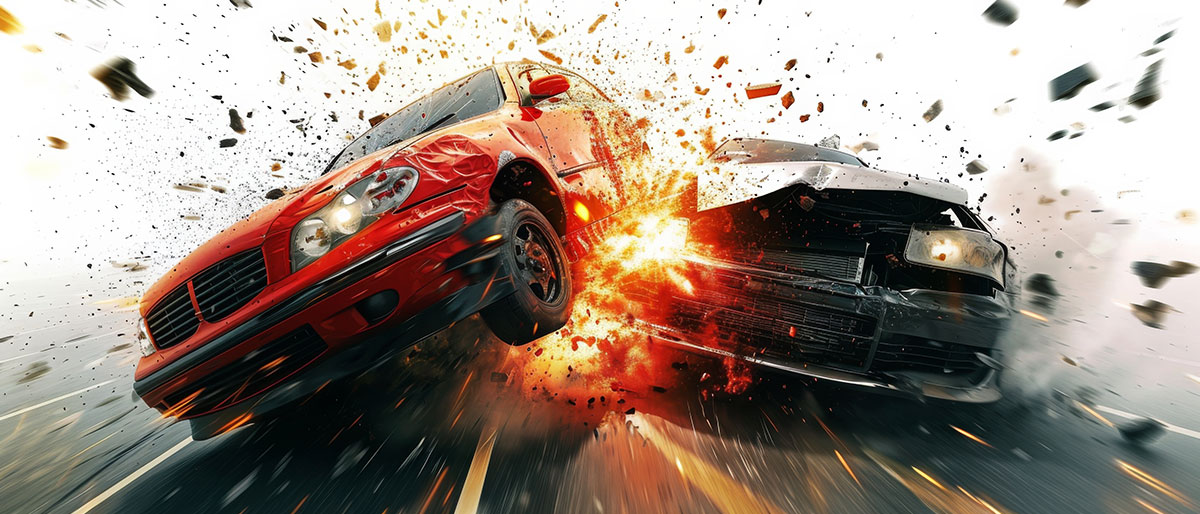
Forensic Animation

Certain content created specifically for the screen has the potential to be repurposed and promoted across different media platforms. Narratives and visual elements can be seamlessly transformed into children's literature and various forms of print media. Songs and music have been featured both on physical records and in the form of streaming media.

Forensic Animation
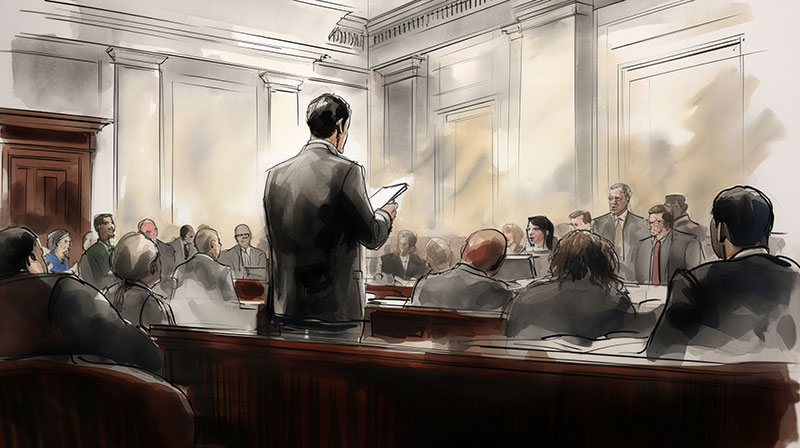
courtroom animation
courtroom animation

The Museum of Science, Boston worked in partnership with Pixar Animation Studios to create and curate this exhibition.

This particular form of animation in motion pictures is recognized as one of the most ancient and is occasionally referred to as cel animation. As previously stated, in the realm of traditional animation, objects are depicted on transparent celluloid paper. To produce the animation sequence, the animator is required to render each frame individually. It operates under a comparable principle to a flip book, albeit on a much larger scale.

Animation is the representation of motion achieved through a sequence of images, but the intricacies of its functionality extend beyond mere simplicity. Prior to discussing the different forms of animated films, let us commence by providing an explanation of what animation entails.

Trial Graphics

While numerous animation companies capitalize on their creations beyond the realm of moving images, The Walt Disney Company stands out as the most renowned and extreme exemplar. Ever since receiving its first license for a children's writing tablet in 1929, Disney's iconic mascot, Mickey Mouse, along with various other characters, has adorned an extensive array of merchandise. While there may have been an impact on Mickey's reputation due to negative associations, it is worth noting that officially licensed Disney merchandise continues to have strong sales. Moreover, the realm of Disney memorabilia, known as Disneyana, boasts numerous enthusiastic collectors and even a dedicated fan club called Disneyana Fan Club, which has been in existence since 1984.

To achieve the illusion of seamless movement in these rendered, painted, or digitally-created visuals, careful consideration is given to the frame rate - that is, the frequency at which consecutive images are displayed per second. Typically, animated characters are captured at a "two-frame" rate, wherein a single image is exhibited for two frames, resulting in a total of 12 illustrations per second. A frame rate of 12 frames per second permits the presence of movement, although it might appear fragmented. In cinematography, a frame rate of 24 frames per second is frequently employed to achieve seamless motion.

In the realm of animation, there has long been a strong connection to comic books. While it is common for numerous comic book characters to transition onto the screen, particularly in Japan where many manga series are adapted into anime, there is also frequent integration of original animated characters within comic books and magazines. In a somewhat comparable manner, video games (which are an interactive form of animation that has developed into its separate medium) have drawn inspiration from movies in terms of characters and storylines, and the reverse is also true.

Trial Graphics

Frequently Asked Questions

Yes, LawFX offers medical malpractice media services, where they create animations to decode medical complexities for legal clarity.